
1. Changes in traffic structure:
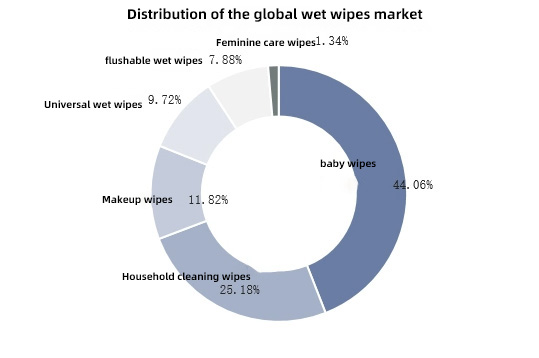
In the past, basic pure water wipes faced severe internal competition, with low prices leading to profit margins of less than 5%. In 2026, traffic on short video platforms began to shift towards segmented functional wipes: pet cleaning wipes, feminine care wipes, kitchen grease removal wipes, and outdoor antibacterial wipes experienced a surge in viewership and conversions, growing at a rate far exceeding that of ordinary baby wipes.
2. Platform algorithm orientation:
Tiktok and TikTok prefer practical and scenario-based short videos, while the traffic of short videos that simply show material thickness continues to decline; content such as real-life evaluations, ingredient breakdowns, and foreign trade compliance popular science is more likely to obtain natural traffic. The collection rate has surpassed the like rate, and the long-tail traffic of ingredient popular science products can last for more than 7 days.
3. Industry business trends:
Most wet wipe factories have ceased mass production of generic white-label wet wipes, opting instead to produce niche, customized products in smaller batches with multiple SKUs. Cross-border sellers are prioritizing the deployment of portable, individually packaged wet wipes, as the unit price for individually packaged items is 35% higher than that of larger packages in European and American cross-border e-commerce markets. Additionally, plant-based antibacterial formulas and alcohol-free antibacterial wet wipes are more in line with overseas consumer demands and are easier to avoid red lines under EU regulations.